Beyond Treatment: How Aftercare and Relapse Prevention Keep You Sober for Life
Completing a drug or alcohol treatment program is a major milestone. Whether someone finishes a Partial Hospitalization Program (PHP), an Intensive Outpatient Program (IOP), or residential care, it represents courage, commitment, and real progress. But treatment is not the finish line—it is the foundation.
Long-term recovery is not defined by what happens inside a treatment center alone. It is shaped by what happens after treatment ends. This is where aftercare and relapse prevention become essential. They are not optional extras. They are the bridge between early sobriety and a stable, fulfilling life in recovery.
At Windansea Recovery, aftercare and relapse prevention are treated as core components of the recovery process, not add-ons. This article explores why aftercare matters, what effective relapse prevention really looks like, and how individuals can protect their sobriety for the long term.
Why Treatment Alone Is Not Enough
Substance use disorders do not develop overnight, and they do not disappear overnight either. Addiction is influenced by biology, psychology, environment, habits, relationships, and stress. While treatment addresses these factors in a structured setting, real life introduces new challenges:
Returning to old environments
Re-entering work, school, or family systems
Managing stress without substances
Facing unresolved emotional triggers
Navigating social pressure and isolation
Without a plan for what comes next, even motivated individuals can find themselves overwhelmed. This does not mean treatment failed—it means recovery requires ongoing care.
Research consistently shows that individuals who engage in structured aftercare and relapse prevention have significantly better long-term outcomes than those who do not. Recovery is a process, not a single event.
What Is Aftercare in Addiction Recovery?
Aftercare refers to the ongoing support and structure a person receives after completing a primary phase of treatment. It is designed to help individuals apply what they learned in treatment to everyday life.
Effective aftercare is not one-size-fits-all. It is personalized, flexible, and evolves as recovery strengthens.
Common Components of Aftercare
Aftercare may include a combination of:
Continued outpatient therapy or counseling
Participation in IOP or step-down programming
Support groups or peer recovery meetings
Relapse prevention planning
Sober living or structured housing
Family therapy or education
Case management and accountability
Wellness practices such as exercise, mindfulness, and routine building
The goal of aftercare is not to keep someone “in treatment forever,” but to support independence while reducing risk during vulnerable transitions.
Understanding Relapse: A Process, Not a Failure
Relapse is often misunderstood. Many people think of relapse as a sudden decision to use substances again. In reality, relapse is usually a gradual process that unfolds over time.
The Three Stages of Relapse
Emotional Relapse
Bottling up feelings
Withdrawing from support
Neglecting self-care
Increased stress, irritability, or anxiety
Mental Relapse
Cravings and romanticizing past use
Minimizing consequences
Thinking “one time won’t hurt”
Bargaining or testing boundaries
Physical Relapse
Actual substance use
Relapse prevention focuses on interrupting this process early, before it reaches the physical stage.
What Is Relapse Prevention?
Relapse prevention is a proactive strategy that helps individuals recognize risks, manage triggers, and respond effectively to challenges without returning to substance use.
It is not about fear or restriction. It is about self-awareness, preparation, and skill-building.
Core Elements of Effective Relapse Prevention
1. Identifying Personal Triggers
Triggers are not just people or places. They can include:
Stress
Loneliness
Conflict
Fatigue
Celebrations
Certain emotions or memories
Understanding personal triggers allows individuals to prepare instead of reacting.
2. Developing Coping Skills
Relapse prevention teaches practical tools such as:
Emotional regulation
Healthy communication
Boundary setting
Stress management
Craving management techniques
These skills replace old coping mechanisms that involved substances.
3. Building a Support System
Recovery does not happen in isolation. Strong relapse prevention includes:
Therapists or counselors
Peer support
Family or trusted loved ones
Accountability partners
Connection is one of the strongest protective factors in long-term recovery.
4. Creating a Structured Lifestyle
Structure reduces chaos, and chaos increases relapse risk. Healthy routines include:
Consistent sleep schedules
Regular meals
Meaningful daily activities
Balanced work and rest
Exercise and wellness practices
Structure supports emotional stability.
5. Planning for High-Risk Situations
Relapse prevention includes preparing for:
Holidays
Social events
Travel
Major life changes
Unexpected stressors
A plan turns uncertainty into confidence.
The Role of IOP and PHP in Long-Term Recovery
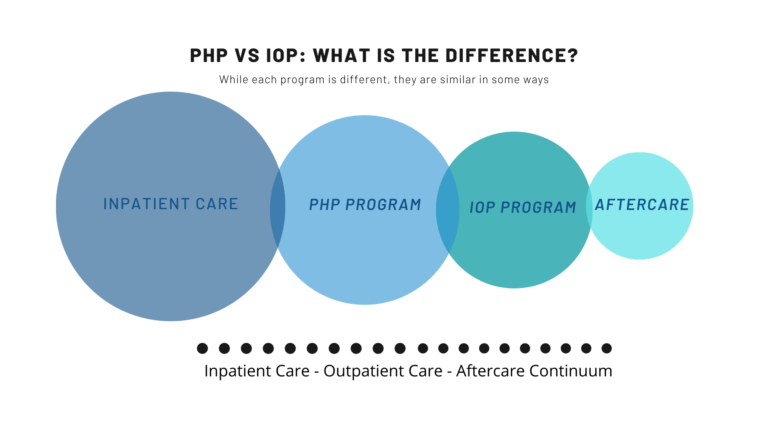
For many individuals, PHP and IOP serve as a bridge between intensive treatment and full independence.
PHP: Strong Structure with Gradual Independence
Partial Hospitalization Programs provide:
Intensive therapy during the day
A structured schedule
Clinical oversight
Continued skill development
PHP is ideal for individuals who need strong support while practicing independence outside of sessions.
IOP: Flexibility with Accountability
Intensive Outpatient Programs allow individuals to:
Return to work or school
Live at home or in sober living
Maintain therapeutic support
Strengthen relapse prevention skills
IOP is often where recovery becomes real-world sustainable.
Both levels of care play a critical role in long-term success when combined with thoughtful aftercare planning.
Aftercare Is About Building a Life, Not Avoiding Substances
Sustainable recovery is not just about not using. It is about building a life worth protecting.
Aftercare helps individuals rediscover:
Purpose
Identity
Confidence
Meaningful relationships
Healthy enjoyment
When life becomes fulfilling, substances lose their appeal.
This is why aftercare often includes:
Career or educational support
Goal setting
Hobbies and interests
Service and community involvement
Personal growth work
Recovery thrives when people move toward something, not just away from addiction.
Family Involvement in Aftercare
Addiction affects families deeply, and recovery is stronger when families heal together.
Aftercare may include:
Family therapy
Education about addiction and relapse
Communication skill development
Boundary and support training
When families understand recovery, they can support it without enabling or controlling it.
What Happens If a Slip Occurs?
One of the most important aspects of relapse prevention is reducing shame. A slip does not erase progress. What matters is how quickly someone responds.
Effective aftercare plans include:
Early intervention steps
Clear communication channels
Support escalation plans
Rapid return to treatment if needed
Recovery is resilient when people feel safe asking for help.
How Windansea Recovery Supports Long-Term Sobriety
Windansea Recovery emphasizes a continuum of care approach. Treatment does not end when a program does—it evolves.
By integrating:
Evidence-based therapy
Structured PHP and IOP programming
Personalized aftercare planning
Relapse prevention education
Ongoing support
Windansea Recovery helps individuals move from early sobriety to long-term stability.
Recovery is not about perfection. It is about progress, awareness, and connection.
A Final Thought: Recovery Is a Long Game
Sobriety is not maintained by willpower alone. It is sustained through support, structure, and self-understanding.
Aftercare and relapse prevention are not signs of weakness. They are signs of commitment to a better life.
With the right plan, the right support, and the right mindset, long-term recovery is not just possible—it is achievable.
If you or a loved one is struggling with addiction, don’t wait. The costs of delaying rehab are too high, Call us at (619) 815-2555 or Contact Us Here
References & Further Reading
National Institute on Drug Abuse (NIDA): https://nida.nih.gov
Substance Abuse and Mental Health Services Administration (SAMHSA): https://www.samhsa.gov
Centers for Disease Control and Prevention (CDC): https://www.cdc.gov
American Society of Addiction Medicine (ASAM): https://www.asam.org
National Alliance on Mental Illness (NAMI): https://www.nami.org