Balancing Recovery With Work, School, and Family: A Guide to IOP Success
For many people struggling with substance use or co-occurring mental health challenges, the idea of entering treatment can feel overwhelming. One of the most common concerns is simple but powerful:
“How can I get help without putting my entire life on hold?”
This is where an Intensive Outpatient Program (IOP) plays a critical role. IOP offers structured, evidence-based treatment while allowing individuals to continue working, attending school, and caring for their families. When done correctly, IOP provides the flexibility people need and the accountability required for real recovery.
At Windansea Recovery, IOP is designed to help individuals heal while staying connected to the responsibilities and relationships that matter most. This guide explores how to successfully balance recovery with daily life—and why IOP can be one of the most effective paths to long-term sobriety.
What Is an Intensive Outpatient Program (IOP)?
An Intensive Outpatient Program is a structured level of addiction and mental health treatment that typically includes:
Multiple therapy sessions per week
Relapse prevention education
Mental health and emotional regulation support
Accountability and progress monitoring
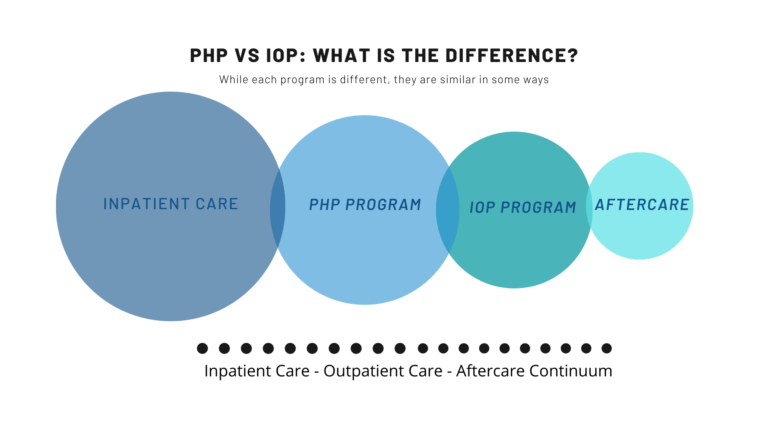
Unlike residential, inpatient treatment, or even a PHP program, IOP allows individuals to live at home, maintain employment or school commitments, and participate in family life while receiving professional care.
IOP is often recommended for:
Individuals stepping down from residential or PHP treatment
Those with a stable home environment
People who need structure but not 24-hour supervision
Adults who cannot pause work, school, or caregiving responsibilities
Why Balancing Life and Recovery Matters
Whether you’re struggling with substance abuse, mental health, or dual diagnosis, recovery doesn’t happen in isolation. It happens in the context of real life—jobs, relationships, stress, expectations, and obligations.
When people learn how to stay sober while managing daily responsibilities, they are developing the exact skills they will need for long-term success.
IOP helps individuals:
Practice coping skills in real-time
Learn how to manage stress without substances
Strengthen communication and boundaries
Build confidence navigating everyday challenges sober
Rather than delaying life until “after recovery,” IOP teaches people how to recover within life.
The Reality: Recovery Requires Intention and Structure
Balancing IOP with work, school, and family is absolutely possible—but it requires honesty, planning, and commitment.
Recovery doesn’t mean doing everything perfectly. It means learning how to prioritize health while meeting responsibilities realistically.
The most successful IOP participants understand one key truth:
Recovery must become a non-negotiable part of daily life.
Managing Work While in IOP
Work is one of the most common concerns for individuals entering IOP. Fear of job loss, stigma, or falling behind can keep people from seeking help.
Tips for Balancing Work and IOP
1. Be Honest—With Boundaries
Not everyone at work needs full details. Many people simply communicate that they are addressing a health matter. Treatment is healthcare, and privacy is your right.
2. Choose a Schedule That Supports Recovery
Many IOP programs offer morning, afternoon, or evening options. Selecting a schedule that minimizes stress increases success.
3. Set Realistic Expectations
Early recovery requires energy. Productivity may fluctuate at first—and that’s okay. Long-term performance improves when health improves.
4. Use Supportive Resources
Some employers offer Employee Assistance Programs (EAPs) or medical leave protections. Exploring these options can relieve pressure.
IOP helps individuals stay accountable while continuing to function professionally—a critical step toward rebuilding confidence and stability.
Staying on Track With School or Education
Students in recovery face unique pressures: deadlines, exams, social environments, and future goals.
IOP allows students to continue education while receiving necessary support.
Strategies for Students in IOP
Communicate early with academic advisors or counselors
Adjust course loads temporarily if needed
Establish structured study times
Avoid high-risk social situations tied to substance use
Lean on therapy to manage stress and performance anxiety
Recovery strengthens focus, emotional regulation, and resilience—skills that directly support academic success.
Navigating Family Responsibilities in Recovery
Family dynamics can be one of the most challenging aspects of early recovery. Many individuals in IOP are parents, partners, or caregivers who feel pressure to “hold everything together.”
IOP recognizes that family life is not separate from recovery—it is part of it.
Healthy Family Balance in IOP
1. Set Boundaries Without Guilt
Recovery requires time and space. Saying no to certain obligations is an investment in long-term stability.
2. Include Family in the Process
When appropriate, family therapy or education helps loved ones understand recovery and offer healthier support.
3. Let Go of Perfection
Healing takes time. Being present and honest matters more than being flawless.
When families heal together, recovery becomes stronger and more sustainable.
Time Management: The Backbone of IOP Success
One of the biggest predictors of success in IOP is structure.
People who plan their time intentionally are better equipped to handle stress and avoid relapse.
Practical Time Management Tips
Use a weekly schedule that includes therapy, work, meals, sleep, and downtime
Prioritize rest and consistency
Limit overcommitment during early recovery
Build routines that reduce decision fatigue
Structure creates stability—and stability protects sobriety.
Coping With Stress Without Substances
Life stress doesn’t pause for recovery. IOP teaches individuals how to handle pressure without turning to substances.
Key skills include:
Emotional awareness and regulation
Mindfulness and grounding techniques
Healthy communication
Asking for help early
Managing cravings and urges
Learning to face stress sober is one of the most powerful outcomes of IOP participation.
The Role of Accountability and Support
IOP works because it combines freedom with accountability.
Participants benefit from:
Regular check-ins
Group support and shared experience
Professional guidance
Relapse prevention planning
This accountability helps people stay focused while navigating everyday life.
What If Life Gets Overwhelming?
Recovery is not linear. Some weeks are harder than others.
A strong IOP program helps individuals:
Adjust schedules when needed
Increase support during stressful periods
Identify warning signs early
Re-center on recovery goals
Asking for help is a strength, not a setback.
How IOP Builds Long-Term Recovery Skills
The ultimate goal of IOP is not just sobriety—it’s self-sufficiency.
Through real-world practice, individuals learn:
How to balance responsibilities sober
How to manage emotions without avoidance
How to communicate needs effectively
How to build a sustainable, meaningful life
These skills continue long after treatment ends.
Windansea Recovery’s Approach to IOP Success
Windansea Recovery’s IOP is designed to support individuals where they are—emotionally, professionally, and personally.
By combining:
Evidence-based therapy
Flexible scheduling
Family involvement
Compassionate clinical care
Windansea helps individuals succeed in recovery without stepping away from life.
A Final Word: You Don’t Have to Choose Between Life and Recovery
One of the greatest myths about recovery is that everything must stop in order for healing to begin.
IOP proves that recovery can happen alongside work, school, and family—not apart from them.
With the right support, structure, and commitment, it’s possible to build a sober life that works in the real world.
If you or a loved one is struggling with addiction, don’t wait. The costs of delaying rehab are too high, Call us at (619) 815-2555 or Contact Us Here
References & Further Reading
Substance Abuse and Mental Health Services Administration (SAMHSA): https://www.samhsa.gov
National Institute on Drug Abuse (NIDA): https://nida.nih.gov
American Society of Addiction Medicine (ASAM): https://www.asam.org
National Alliance on Mental Illness (NAMI): https://www.nami.org
Centers for Disease Control and Prevention (CDC): https://www.cdc.gov