What to Expect During Your First 30 Days in PHP or IOP
Starting treatment can bring a mix of emotions—relief, hope, anxiety, and uncertainty. One of the most common questions people ask before entering care is:
“What will the first month actually be like?”
Whether someone is entering a Partial Hospitalization Program (PHP) or an Intensive Outpatient Program (IOP), the first 30 days are a critical period. This is when individuals begin to stabilize, build trust, learn new skills, and lay the groundwork for long-term recovery.
At Windansea Recovery, the first month of PHP or IOP is intentionally structured to provide clarity, safety, and support. This guide walks through what most individuals can expect during their first 30 days—emotionally, practically, and clinically—so there are fewer surprises and more confidence heading into treatment.
Why the First 30 Days Matter So Much
Early recovery is a time of adjustment. The body and mind are recalibrating, routines are changing, and emotions can feel intense or unfamiliar.
The first 30 days help individuals:
Establish structure and routine
Stabilize emotionally and mentally
Learn foundational recovery skills
Build therapeutic relationships
Reduce immediate relapse risk
Rather than focusing on “fixing everything,” the first month focuses on creating stability and momentum.
Week 1: Orientation, Assessment, and Stabilization
Getting Oriented to the Program
The first week is about getting grounded. Individuals are introduced to:
Program schedules and expectations
Group therapy structure
Individual therapist and clinical team
Program rules and boundaries
Peer community and support environment
This period helps reduce uncertainty and builds a sense of safety.
Clinical Assessments and Goal Setting
During the first week, the clinical team conducts thorough assessments to understand:
Substance use history
Trauma history
Medical considerations
Strengths, challenges, and goals
From this information, an individualized treatment plan is created. Treatment is not generic—it’s tailored.
Emotional Adjustment
Many people experience emotional ups and downs in the first week. This is normal. Common experiences include:
Anxiety
Emotional sensitivity
Fatigue
Relief at being supported
Therapists help individuals normalize these feelings and stay present.
Week 2: Building Structure and Learning Core Skills
Settling Into Routine
By the second week, the daily rhythm of PHP or IOP begins to feel more familiar. Structure becomes a stabilizing force rather than a stressor.
Routine helps:
Reduce decision fatigue
Improve emotional regulation
Build accountability
Increase confidence
Structure is one of the strongest protective factors in early recovery.
Core Therapy Focus
Week two often emphasizes foundational skills such as:
Understanding addiction and mental health
Identifying triggers
Emotional awareness and regulation
Coping skills for cravings and stress
Communication and boundary setting
These skills become tools individuals can use immediately in daily life.
Group Therapy and Peer Support
Group therapy is a central component of PHP and IOP. Many individuals find:
Comfort in shared experiences
Relief from isolation
Insight from others’ perspectives
Increased accountability
Connection reduces shame—and shame fuels relapse.
Week 3: Applying Skills to Real Life
Practicing Recovery Outside of Sessions
By the third week, individuals are often:
Returning to work or school
Managing family responsibilities
Navigating social situations sober
This is where PHP and IOP shine. Individuals don’t just talk about recovery—they practice it in real time.
Identifying Challenges Early
As real-life stressors reappear, therapists help individuals:
Identify emotional triggers
Adjust coping strategies
Strengthen boundaries
Reframe setbacks as learning opportunities
This phase builds confidence and resilience.
Increasing Self-Awareness
Week three often brings clarity. Individuals begin to notice:
Emotional patterns
Thought distortions
Old habits resurfacing
New, healthier responses forming
Awareness is progress.
Week 4: Strengthening Confidence and Planning Ahead
Measuring Progress
By the fourth week, many individuals experience:
Improved emotional stability
Better stress management
Increased self-trust
Clearer goals
Progress is reviewed collaboratively with the clinical team.
Relapse Prevention Planning
Relapse prevention becomes a central focus:
Identifying warning signs
Creating response plans
Strengthening support systems
Planning for high-risk situations
Preparation replaces fear with confidence.
Transition and Next Steps
Depending on individual needs, next steps may include:
Continuing PHP or IOP
Stepping down to a lower level of care
Engaging in aftercare or outpatient therapy
Strengthening family involvement
Recovery planning is forward-looking.
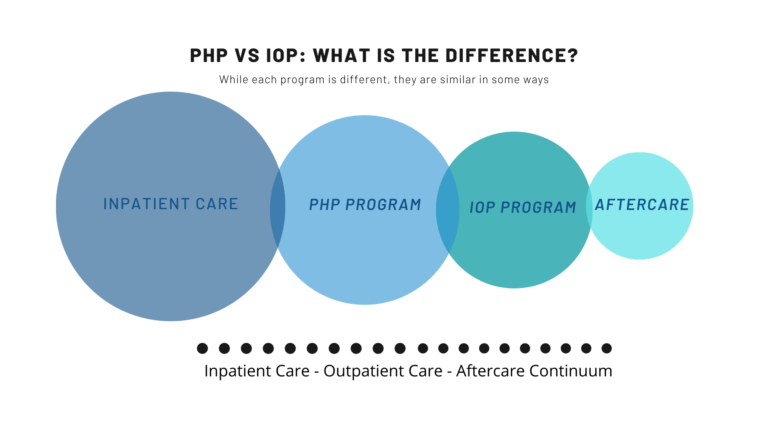
PHP vs. IOP: What’s Different in the First 30 Days?
PHP Experience
More hours of treatment per day
Stronger structure and clinical oversight
Ideal for individuals needing higher support
Evenings spent at home or in sober living
IOP Experience
Fewer weekly hours than PHP
Greater flexibility for work and family
Focus on long-term sustainability
Real-time application of skills
Both programs emphasize accountability, growth, and individualized care.
Common Concerns During the First Month
“What if I don’t feel better right away?”
Healing takes time. Early recovery focuses on stabilization, not perfection.
“What if I fall behind at work or home?”
Therapists help individuals set realistic expectations and priorities.
“What if I don’t connect with the group?”
Connection grows over time. Participation—not perfection—matters most.
“What if I feel overwhelmed?”
Support increases when stress increases. Asking for help is encouraged.
Family Involvement During the First 30 Days
Families often experience relief mixed with uncertainty. Many programs encourage:
Family therapy or education
Communication skill development
Healthy boundary setting
When families understand recovery, outcomes improve.
What Success Looks Like After 30 Days
Success is not defined by having everything figured out. After 30 days, success often looks like:
Increased emotional awareness
Reduced cravings or improved coping
Consistent engagement in treatment
Hope and motivation
A clear recovery plan
Progress compounds over time.
Windansea Recovery’s Approach to the First 30 Days
Windansea Recovery structures the first month to balance:
Clinical excellence
Emotional safety
Practical skill-building
Real-life application
The goal is not just early sobriety, but long-term confidence and stability.
A Final Thought: One Day at a Time Still Matters
The first 30 days can feel daunting—but they don’t have to be faced alone.
Recovery happens through:
Showing up
Staying honest
Practicing new skills
Accepting support
Thirty days is not the end. It’s the beginning of something sustainable.
If you or a loved one is struggling with addiction, don’t wait. The costs of delaying rehab are too high, Call us at (619) 815-2555 or Contact Us Here
References & Further Reading
Substance Abuse and Mental Health Services Administration (SAMHSA): https://www.samhsa.gov
National Institute on Drug Abuse (NIDA): https://nida.nih.gov
American Society of Addiction Medicine (ASAM): https://www.asam.org
National Alliance on Mental Illness (NAMI): https://www.nami.org
Centers for Disease Control and Prevention (CDC): https://www.cdc.go