Every January, millions of people decide to take a month off from alcohol. Dry January has grown from a small UK campaign into a global habit, and the “sober curious” movement has made alcohol-free living more mainstream than ever. Mocktail menus, non-alcoholic beers, and zero-proof spirits are everywhere.
For many people, a month without drinking is a refreshing reset. For others, it becomes something more revealing: a realization that taking a break is harder than it should be. If you’ve ever wondered whether your drinking is “normal” or something more, this guide is for you.
What Is Dry January?
Dry January is a challenge to avoid alcohol for the entire month of January. It started in 2013 with the UK charity Alcohol Change UK and has since spread worldwide. People join for all kinds of reasons: recovering from holiday overindulgence, improving their health, saving money, or simply seeing how they feel without alcohol.
The Benefits of a Month Without Alcohol
Research on Dry January participants has found that many report:
- Better sleep and more energy
- Improved mood and reduced anxiety
- Clearer skin and weight loss
- Saving money
- A greater sense of control over their drinking
- Drinking less in the months that follow, even after January ends
Studies have also shown short-term improvements in blood pressure, liver function markers, and insulin resistance after a month off alcohol.
What Is Gray Area Drinking?
Gray area drinking describes the large space between occasional social drinking and severe alcohol addiction. It’s not a clinical diagnosis, but it captures how a lot of people actually feel: “I’m not an alcoholic, but I don’t love my relationship with alcohol.”
Gray area drinkers often:
- Function well at work and home, so no one is worried
- Drink most evenings to unwind or “take the edge off”
- Regularly drink more than planned
- Make rules about drinking, then break them
- Wake up with “hangxiety,” regret, or foggy memories
- Think about alcohol more than they’d like to admit
- Feel stuck in a loop of “I’ll cut back on Monday”
Because gray area drinking is so normalized, especially among busy professionals and parents, it can continue for years before someone realizes alcohol is costing them more than it gives.
How Much Drinking Is Too Much?
The National Institute on Alcohol Abuse and Alcoholism (NIAAA) offers useful benchmarks:
- Binge drinking: 5 or more drinks for men, or 4 or more for women, in about two hours
- Heavy drinking: more than 4 drinks on any day or 14 per week for men; more than 3 on any day or 7 per week for women
Health guidance has also shifted in recent years. Researchers increasingly agree that there’s no amount of alcohol that is completely risk-free, and alcohol is a known risk factor for several types of cancer. That doesn’t mean everyone who drinks has a problem, but it does mean “a couple glasses a night” isn’t as harmless as it once seemed.
What Dry January Can Teach You About Your Drinking
One of the most valuable things about Dry January is the information it gives you. Pay attention to how the month actually goes.
Signs Dry January Is a Healthy Reset
- You miss alcohol a little, but it’s easy to say no
- You sleep better and feel good within the first week or two
- Social events feel slightly different, but manageable
- You’re not counting down the days until February
Signs It May Be More Than a Habit
- You can’t make it more than a few days
- You constantly bargain with yourself (“one won’t hurt”)
- You feel irritable, anxious, depressed, or restless without alcohol
- You experience physical symptoms like shaking, sweating, nausea, racing heart, or trouble sleeping
- You find yourself replacing alcohol with other substances
- You plan a big drink for February 1st
- You feel relieved when you finally “give up” on the challenge
If the second list sounds more familiar, that’s not a personal failure. It’s useful information. Alcohol changes brain chemistry, and when the brain has adapted to regular drinking, stopping isn’t simply a matter of willpower.
A Critical Safety Note
If you drink heavily every day, do not stop suddenly without medical guidance. Alcohol withdrawal can cause seizures and a dangerous condition called delirium tremens. Symptoms like shaking, sweating, confusion, or hallucinations after stopping are a medical emergency. A medically supervised detox is the safe way to begin.
Tips for a Successful Dry January (and Beyond)
- Tell someone. Accountability makes a difference.
- Plan for your trigger times. If 6 p.m. is “wine o’clock,” schedule a walk, a workout, or a call instead.
- Stock alternatives. Sparkling water, kombucha, herbal tea, or zero-proof drinks give your hands something to do.
- Move your body. Exercise helps manage stress and lifts mood naturally.
- Get outside. Sunlight and fresh air are underrated mood boosters.
- Track how you feel. Notice changes in sleep, energy, anxiety, and focus.
- Find your people. Sober and sober-curious communities, both online and in person, have never been more accessible.
- Be curious, not judgmental. If it’s hard, ask why rather than beating yourself up.
When “Sober Curious” Becomes “Ready for Help”
You don’t need to hit rock bottom to deserve support. Many people come to treatment not because their life fell apart, but because they realized they wanted something better than the cycle they were stuck in.
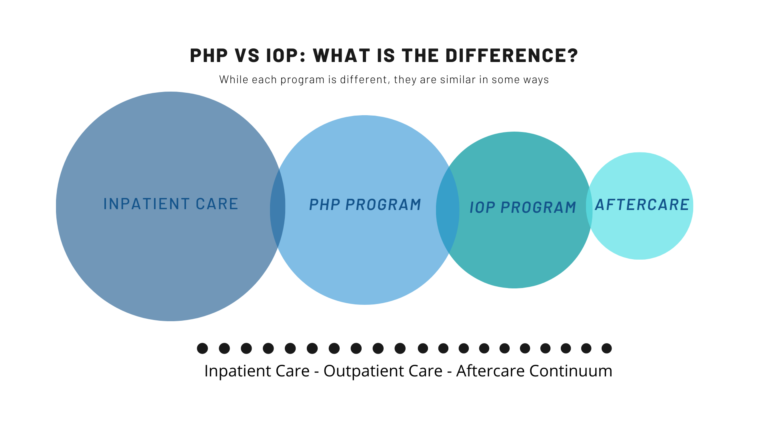
Today, getting help doesn’t have to mean stepping away from your whole life. An Intensive Outpatient Program (IOP) lets you keep working or going to school while getting structured support. Read more in our guide to balancing recovery with work, school, and family. For those who need more structure, our Partial Hospitalization Program (PHP) and inpatient treatment offer deeper support.
At Windansea Recovery, sobriety isn’t about deprivation. It’s about building a life you don’t want to escape from. Our clients start their days a block from Windansea Beach with surfing, beach walks, hot yoga, cold plunges, and community, alongside therapy that addresses the anxiety, stress, or pain that alcohol was covering up. See what a typical day looks like on our A Day in the Life page.
Frequently Asked Questions
Is Dry January actually good for you?
Yes, for most people. Studies show benefits like better sleep, improved mood, weight loss, and healthier liver and blood pressure markers. Many participants also drink less in the following months.
Am I a gray area drinker?
If you don’t meet your own definition of “alcoholic” but often drink more than you intend, rely on alcohol to unwind, or feel uneasy about your drinking, you may be in the gray area. A conversation with a professional can help clarify things.
What happens to your body after 30 days without alcohol?
Many people notice deeper sleep, more energy, better hydration and skin, steadier mood, and improved focus. Internally, liver fat can decrease and blood pressure may improve.
How do I know if I need treatment for alcohol?
Signs include being unable to cut back, drinking despite negative consequences, cravings, needing more to feel the effect, and withdrawal symptoms when you stop. If any of these apply, reaching out for an assessment is a smart next step.
Make This the Year You Change Your Relationship With Alcohol
Whether Dry January feels easy or impossible, it can be a turning point. If you’ve discovered that alcohol has more of a hold than you realized, you’re not alone, and you don’t have to figure it out by yourself. Windansea Recovery was founded by people in long-term recovery who understand exactly what that moment feels like.
Call 619-815-2555 or contact us for a confidential conversation about your options.
This article is for educational purposes only and is not medical advice. If you’re experiencing alcohol withdrawal symptoms, seek medical care right away. If you’re in crisis, call or text 988.